


Close
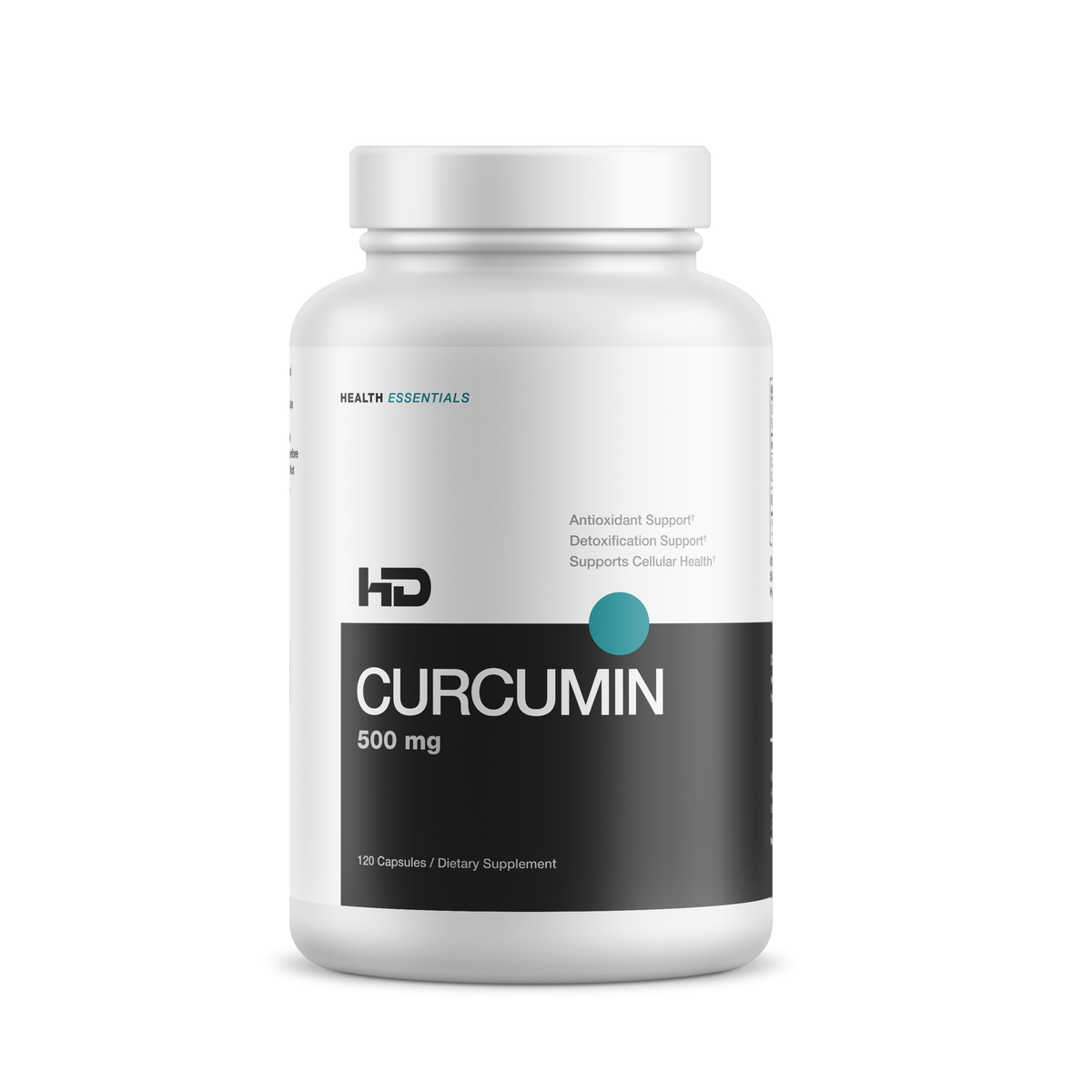
Curcumin
95% curcuminoids. Absorption included.
- Joint comfort
- Recovery
- Antioxidant support
- Registered trademark ingredients
- Properly dosed ingredients
- Non-proprietary formulas
- No artificial colors or dyes
- Tested for heavy metals
Health Canada licensed NPN 80129082
“Exactly what I was looking for. With my weight training and Brazilian Jiujitsu this helps all.”

What is inside.
What it does, what is in it, and when to take it.
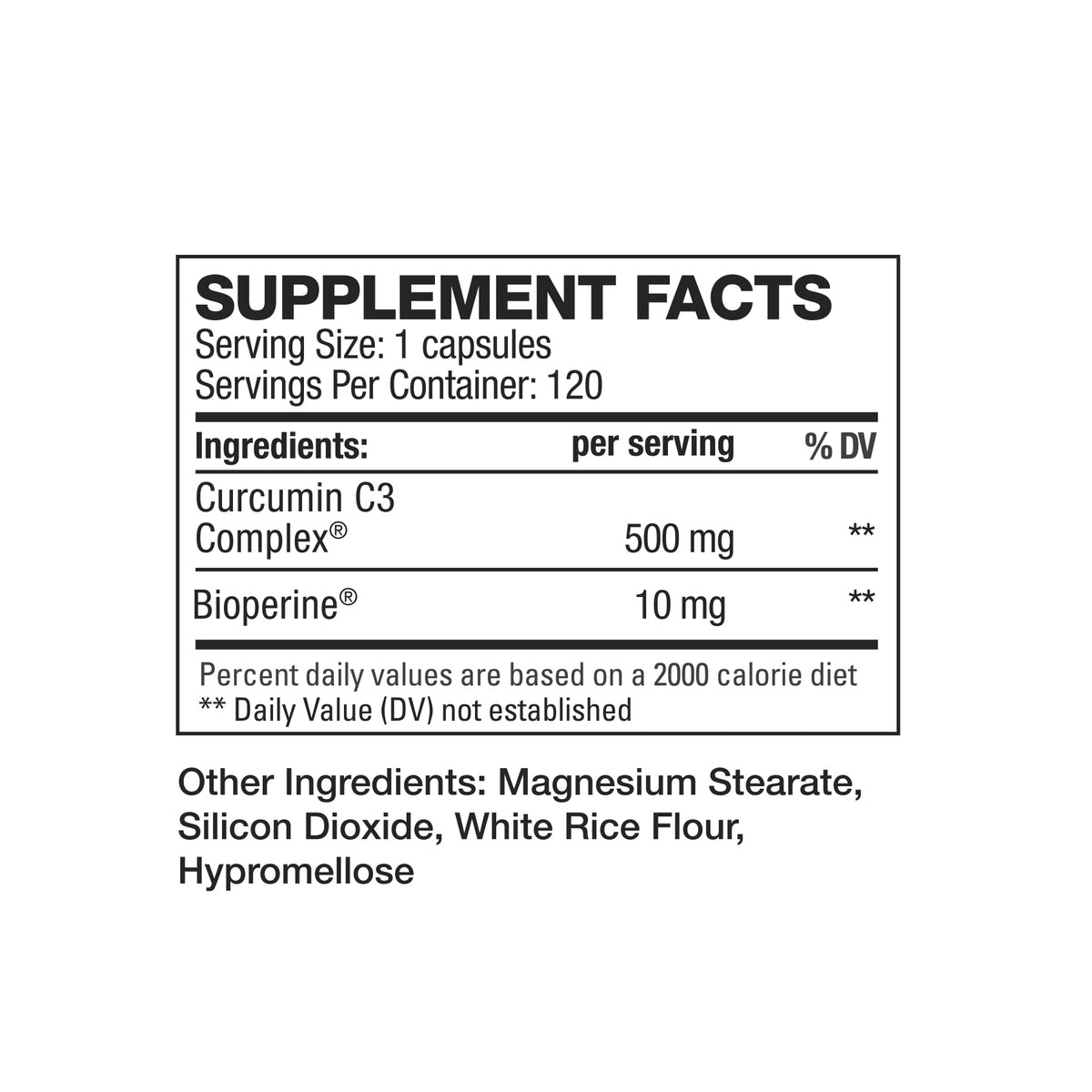
Curcumin C3 Complex
Bioperine for absorption
Joint and recovery support
Antioxidant support
Curcumin C3 Complex
500 MGBioperine
10 MGSupplement facts
Take one capsule twice a day with meals.
Take it with food containing some fat — curcuminoids are fat-soluble and absorb better alongside a meal.
Take it consistently. This works over weeks and months rather than on the day.
Speak to your doctor before use if you take any medication, particularly a blood thinner.
Transparency
Know what you are taking.
Curcumin is one of the most researched compounds in the supplement industry and one of the most badly sold. Turmeric root is only a few percent curcuminoids by weight, and curcumin on its own is absorbed so poorly that the dose on the label often bears little relationship to what reaches you.
This uses Curcumin C3 Complex, a branded turmeric root extract standardised to 95% curcuminoids — curcumin, demethoxycurcumin and bisdemethoxycurcumin. Turmeric root is roughly 2 to 5% curcuminoids. That gap is the whole reason standardised extracts exist, and C3 Complex is the extract the majority of published curcumin research has been conducted on.
Curcumin's reputation for poor bioavailability is deserved. Taken alone, most of a dose is metabolised and cleared before it can do anything. Ten milligrams of Bioperine, a branded black pepper extract standardised for piperine, is included to address that — and C3 Complex with Bioperine is the specific pairing the bioavailability work was carried out on, rather than two ingredients put in the same capsule and hoped for.
Joint comfort and recovery are why most people in this audience take curcumin, and it belongs in the same category as omega-3 — a supplement that supports a healthy inflammatory response over months of consistent use rather than one you feel on the day. One capsule twice a day with meals, and one bottle is two months.
Curcumin can affect platelet function, which matters if you take a blood thinner or have surgery scheduled. Piperine acts on the liver enzymes a large share of prescription medications are metabolised by. If you take any medication, speak to your doctor before adding this.

† These statements have not been evaluated by the Food and Drug Administration. This product is not intended to diagnose, treat, cure or prevent any disease.
Better together
Complete your routine.
Save time. Get the essentials.

Real results.
More strength. More power. A stronger you.
“Like that their products are third party tested. Exactly what I was looking for.”
- CWCandi W.ReviewingCurcuminI recommend this productRated 5 out of 5 stars1 year agoBloated stomach, BE GONE!
Love how this product makes my stomach feel.
- ASAudrey S.ReviewingCurcuminI recommend this productRated 5 out of 5 stars1 year agoCurcumin
Great products to help with the inflammation!
- CMChris M.ReviewingCurcuminI recommend this productRated 5 out of 5 stars2 years agoExactly what I’m looking for.
Like that their products are third party tested. Exactly what I was looking for. With my weight training and Brazilian Jiujitsu this helps all.